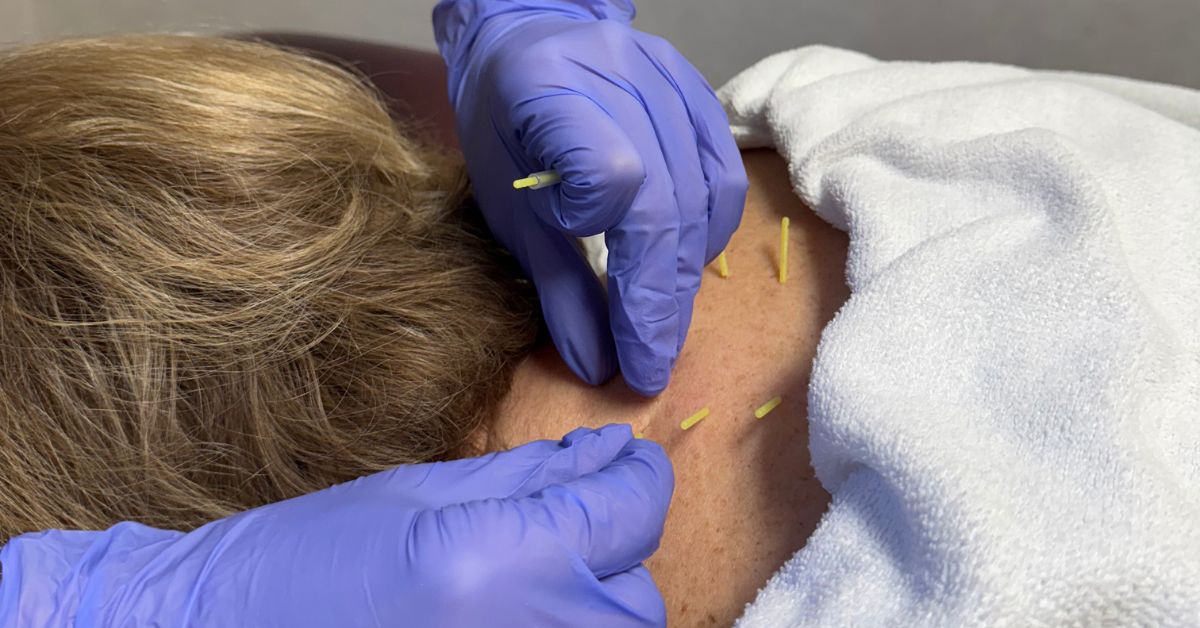
Why you should consider dry needling
Wondering how dry needling can help you? At Carolina Physical Therapy, many patients find this method effective for quickly reducing persistent muscle pain, relaxing tight muscular knots – called trigger points, and improving movement. When added to your therapy plan, dry needling can speed up your recovery, enhance your exercise routine, and help you get back to your favorite activities with less pain. If you’re curious about the effects of dry needling, we can explain how it works and if it’s right for you.
What is Dry Needling?
Dry needling is a physical therapy technique where a thin needle is used to target muscular trigger points that cause pain. The goal is to relax the muscles, reduce pain, and improve how your muscles and nerves function. No medicine is used; the relief comes from carefully targeting the muscle. Many people ask about what dry needles are and their purpose. They are sterile, thin needles inserted into tissue to improve muscle and nerve function. Click here to see a video of our team dry needling a foot to treat plantar fasciitis.
How it differs from acupuncture: while both use thin needles, dry needling is based on anatomy, physiology, and pain science. Your therapist at Carolina Physical Therapy will assess your muscle and nerve issues and treat specific areas to help you feel better. Acupuncture is based on traditional Chinese medicine. Knowing the difference between dry needling and acupuncture can help you decide if dry needling is right for your specific concerns.
Our therapists tailor techniques to your needs. Common methods include quick needle insertions to relax tight muscles, moving the needle to loosen knots, and holding the needle in place to calm overactive muscles. Your therapist might also teach you gentle exercises, breathing techniques, or use low-frequency electrical stimulation to enhance the effects of dry needling. These methods are chosen based on your specific needs.
Benefits of Dry Needling
Relief from muscle pain: By targeting trigger points and relaxing muscles, dry needling can reduce pain and muscle tension, making daily activities and exercise easier. Many patients feel less sore and have more relaxed muscles soon after treatment.
Better movement: Releasing tight muscles helps them move and work better. This can lead to improved joint movement, smoother movement, and better performance in exercises and daily tasks.
Supports healing: Dry needling can increase blood flow and reduce pain signals, helping with recovery from injuries. It also prepares your body for other therapies, making your overall treatment more effective.
When to consider it: Dry needling might be useful if pain continues after stretching or massage, if you have a knot that limits movement, or if your progress has stalled. After evaluating you, your therapist will determine if dry needling fits your goals and how it should be included in your treatment.
Who Can Benefit from Dry Needling?
Conditions we treat include neck and back pain, shoulder issues, elbow pain, hip discomfort, knee pain, calf tightness, headaches, jaw pain, running injuries, and post-surgical muscle tension. For these issues, dry needling can help reduce pain and improve function.
Ideal candidates: People with tight muscles, trigger points, movement restrictions, or pain that improves with pressure or heat often benefit. If manual therapy gives you short-term relief but you need longer-lasting results, dry needling could be a good option for you.
Part of a complete plan: Dry needling works best with exercise, movement training, joint mobilization, and education. It helps reduce pain so you can focus on strength and mobility exercises that lead to long-term benefits.
Is dry needling better than a massage? They serve different purposes. Massage relaxes muscles and improves circulation, while dry needling targets specific muscle problems. Many patients benefit from a combination of both. Your therapist will recommend the best approach based on your needs.
What to Expect During Treatment
Your therapist will start with an evaluation, checking your health history and movement. During treatment, you may feel a brief pinprick as the needle is inserted, followed by a dull ache or twitch in the muscle. These sensations are usually short-lived. Sessions are quick and often include light stretching and exercise to improve movement and control. We will explain what to expect before starting treatment.
Aftercare includes staying hydrated, light activities, and possibly using heat or gentle exercises as recommended. Some mild soreness might occur for a day or two but usually goes away on its own. Your therapist will guide you on self-care between visits and answer any questions you may have.
Potential Risks and Considerations
Most side effects are mild and temporary, like brief muscle soreness or small bruising. Some people feel relaxed, while others might feel a bit tired after treatment. These are normal and will be discussed before treatment.
Before treatment: Inform your therapist if you are pregnant, have a bleeding disorder, take blood thinners, have a weakened immune system, or have a sensitivity to needles. Your therapist will tailor the treatment to ensure your safety.
Pregnancy considerations: Dry needling can be considered during pregnancy with caution and approval from your healthcare provider. Certain techniques may be avoided, especially in early pregnancy. Always consult your healthcare provider and therapist to determine if dry needling is right for you.
When to contact your therapist: If you experience unusual swelling, redness, warmth, fever, or persistent pain after treatment, contact your therapist. We work with your healthcare team to ensure dry needling aligns with your health and treatment goals.
Why Choose Dry Needling at Carolina Physical Therapy?
Our therapists are highly trained in anatomy, physiology, and movement science. We focus on thorough evaluations, clear communication, and personalized plans. Dry needling is one of many tools we use to help you reach your goals. We combine it with exercise, mobility work, and education to support long-term improvement. We will explain how dry needling fits into your overall treatment plan.
If you’re wondering “why try dry needling,” the answer is simple: it offers targeted relief that supports better movement and faster progress. Ready to see if it’s right for you? Contact Carolina Physical Therapy to request an evaluation and start your journey to feel your best.