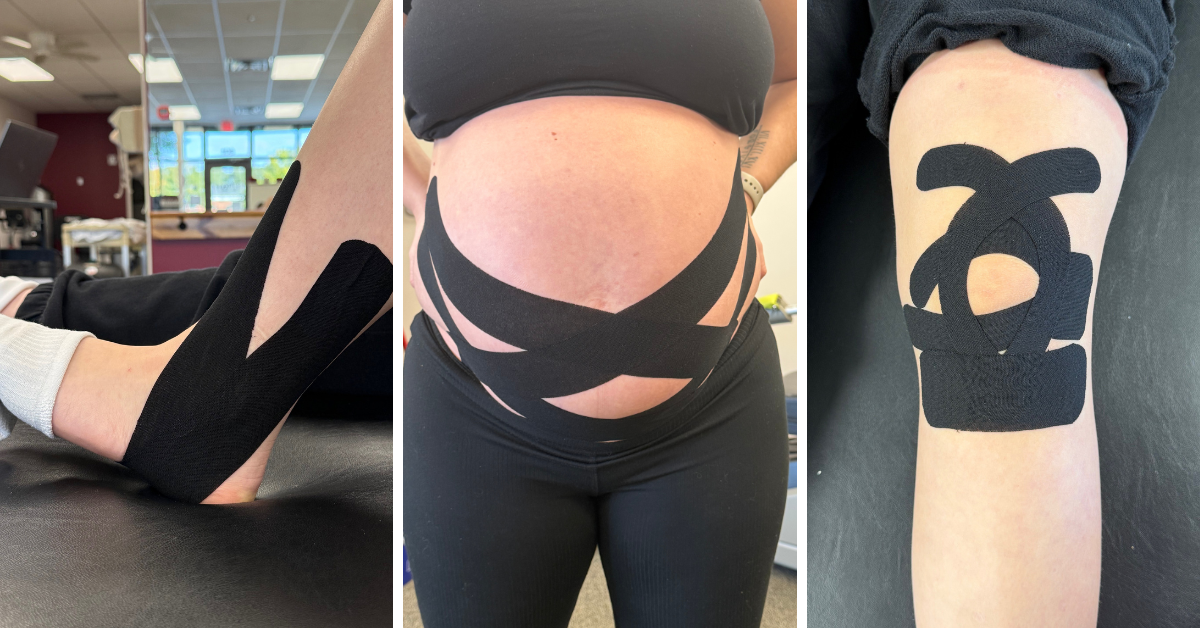
Kinesio Taping
In this post, explore how Kinesio taping, also known as KT tape, can revolutionize your movement and accelerate healing. This innovative, drug-free method is utilized by physical therapists to enhance your body’s natural healing processes. At Carolina Physical Therapy, we incorporate Kinesio tape into bespoke care plans, aiding recovery from injuries, managing chronic conditions, or enhancing athletic performance. Dive into this guide to understand the fundamentals of Kinesio taping, its scientifically-proven benefits, and tips for effective application. Whether you’re a patient or a student delving into PT specialties, discover how our techniques make Kinesio tape an integral part of your journey back to activity.
Understanding Kinesio Taping
Kinesio taping is an advanced technique that utilizes stretchable, elastic KT tape to support muscles and joints while maintaining natural movement. By strategically applying the tape in specific patterns and tensions, it boosts circulation, decreases swelling, aligns joints, and provides sensory feedback to improve coordination. Our expert, licensed therapists, such as Christen at our West Lexington location, incorporate Kinesio taping as part of a customized treatment plan that includes exercises, manual therapy, and education. Curious about what KT tape can do for you? Learn how these applications offer dynamic support and enhance your recovery.
Invented in the 1970s by Dr. Kenzo Kase, Kinesio taping is grounded in the principle that supporting movement facilitates better healing. This technique has developed over time through sports and rehabilitation research, aiding in pain management, enhancing lymphatic drainage, and improving body awareness. These components are crucial to understanding how KT tape works in clinical settings and its application in everyday activities.
Kinesio taping differentiates itself from traditional athletic taping by using elastic, skin-like tape that allows almost full movement while offering gentle support. This elasticity can slightly lift the skin, reducing pressure on tissues, improving circulation, and modulating pain. By allowing movement, KT tape protects sensitive areas while promoting performance and recovery.
What does KT tape do?
Kinesio taping provides targeted pain relief and muscle support without the stiffness of traditional taping. Applied by our skilled clinicians, KT tape stabilizes joints, promotes proper posture, and alleviates muscle strain. This can calm nerves, diminish pain from strains and sprains, and prolong the benefits of in-clinic treatments. For those interested in KT tape, these are the everyday benefits it offers.
Enhanced circulation and lymphatic drainage are central to how KT tape works. Its elastic quality gently lifts the skin, improving blood flow and aiding lymph movement in congested areas. Our therapists adjust the tape’s direction, shape, and tension to support healing and minimize swelling, complementing exercise and manual therapy for optimal recovery.
For athletes and active individuals, KT tape supports efficient movement and minimizes overuse risks. By enhancing neuromuscular control and providing feedback, it helps delay fatigue and boost confidence in motion. Our therapists integrate Kinesio taping with personalized exercises and hands-on techniques, ensuring you move comfortably and achieve your goals safely. As part of a comprehensive plan, Kinesio taping keeps you active and resilient.
How does KT tape work?
- Application steps: Ensure skin is clean and dry; trim excess hair if necessary. Measure and cut the tape with rounded corners. Apply an anchor with minimal stretch, then lay the tape along the muscle or joint using the specified tension and pattern (I, Y, or fan shapes) while gently stretching the tissue. Rub the tape to activate the adhesive.
- Avoid common mistakes: Don’t overstretch the tape or skin; avoid applying over irritated skin or wounds; prevent wrinkles that may irritate; and don’t anchor with excessive tension. If itching or discomfort occurs, remove the tape and consult a clinician.
- Tips for success: Apply at least 30 minutes before activity; avoid lotions before taping; ensure edges are secure; wear for 3–5 days as tolerated; remove slowly in the direction of hair growth while supporting the skin. For personalized guidance, consult a Carolina Physical Therapy clinician to tailor Kinesio taping to your needs.
Conditions KT Tape Can Help
KT tape is versatile and can address a variety of conditions by stabilizing joints and supporting muscles. Some of the conditions it can assist with include:
- Knee Stability: Enhances knee joint support to boost stability and minimize injury risks.
- Pregnancy: Offers gentle abdominal and lower back support to reduce strain, improve posture, and enhance comfort during pregnancy.
- Patella Maltracking: Assists in aligning the patella properly to encourage correct movement.
- Ankle Strains/Sprains: Provides essential support to the ankle, alleviating pain and aiding recovery.
- Tendonitis (Tennis/Golfer’s Elbow): Relieves pain and bolsters tendons to facilitate healing.
- Rotator Cuff: Fortifies shoulder muscles, improving stability and lessening strain.
- Bicep: Delivers support and relief for strains and overuse injuries affecting the bicep.
- De Quervain’s: Stabilizes wrist tendons to decrease pain and inflammation.
- Patellar Tendon: Assists in knee stabilization while easing tension on the patellar tendon.
- Achilles Tendon: Supports the Achilles tendon to reduce strain and aid recovery.
- Plantar Fasciitis: Offers crucial support to alleviate pain and discomfort associated with plantar fasciitis.
- Bunions: Provides relief and reduces pressure on bunions, helping to ease discomfort.
KT tape is a valuable tool in managing these conditions, offering the support needed for effective healing and improved performance. Click here to request your appointment with Carolina Physical Therapy.